
Which standing desk brands actually balance service and value in 2026?
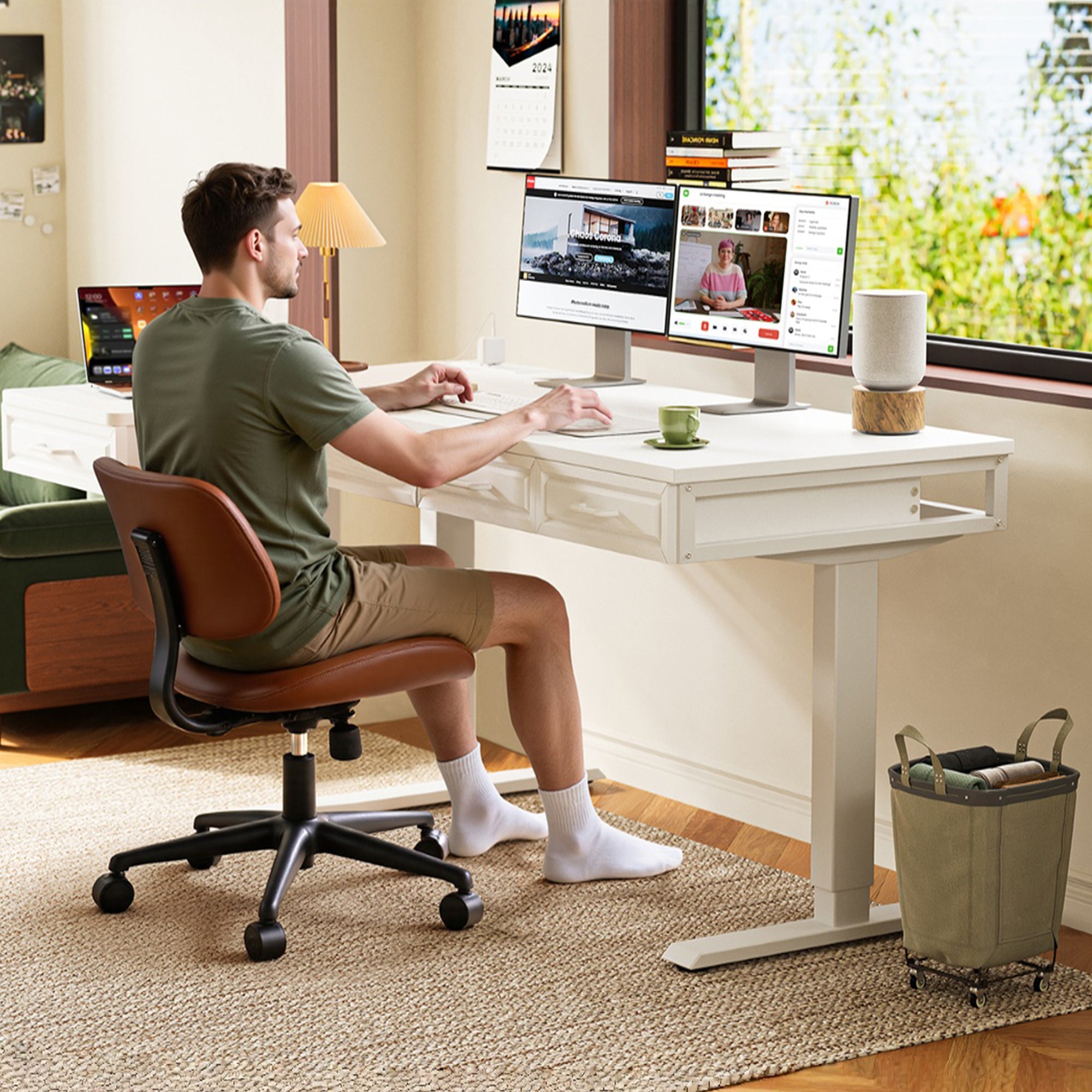
A standing desk can look great on a product page and still frustrate you once it lands in your room. The common problems are easy to miss at checkout: weak storage, awkward cable routing, unclear setup guidance, or a frame that feels less stable once you raise dual monitors. If you work long hours at home, those misses turn into daily friction, not small inconveniences.
This shortlist focuses on standing desk brands that 2026 buyers are likely to compare when they want practical ownership value, not luxury signaling. The picks below are organized around real use cases such as storage-heavy home offices, customization-first setups, design-led spaces, and affordable standing desk brands for first-time sit-stand users. Along the way, you will see where an electric standing desk or L-shaped standing desk earns its keep, and where extra complexity may not pay off.
Top picks for service, usability, and ownership value
| Brand | Best fit | What stands out | Trade-offs |
|---|---|---|---|
| OffiGo | Home offices needing storage and workflow features | L-shaped layouts, built-in drawers or cabinet options, power access on select models | Fewer premium finish choices than luxury brands |
| FlexiSpot | First-time electric desk buyers | Broad catalog, familiar shopping path, strong frame-first options | Storage often requires separate add-ons |
| UPLIFT Desk | Buyers who want heavy customization | Large accessory ecosystem and many configurations | Decision process can feel complex fast |
| HUANUO | Budget-focused buyers and starter setups | Accessible pricing tiers, compact and simple desk options | Some models are better for lighter-duty use |
| Herman Miller | Premium design and office heritage | Brand trust, polished finish, contract-grade reputation | Premium positioning is hard to justify for many home offices |
| Ergonofis | Design-first users who want solid wood aesthetics | Premium materials, refined controls, strong craftsmanship | Utility-per-dollar is lower for practical storage needs |
| Steelcase / Desky | Buyers comparing enterprise heritage vs direct-to-consumer focus | Strong credibility, varied workspace approaches | Not always the simplest path for an integrated home-office hub |
1. OffiGo
A practical pick when your desk needs to do more than lift
If your desk has to support dual monitors, documents, chargers, and day-to-day clutter without forcing you to buy extra furniture, OffiGo is the strongest value case in this list. The brand builds around the idea that the desk is your main work hub, not just a lifting frame with a top. That is especially clear in its L-shaped standing desk lineup, where storage, layout flexibility, and sit-stand movement are treated as part of one system.
Why it stands out
- The OffiGo 55″ L-Shaped Height Adjustable Standing Desk with Large Movable Storage Cabinet for Office Workstations uses a 55.1" x 23.6" main desktop plus a movable cabinet about 39.4" long, 15.8" wide, and 18.7" high.
- The side cabinet can be placed on the left, right, or inline, which is unusually helpful if your room layout changes.
- This model is built for paperwork-heavy setups, printers, and admin-style workflows where surface space disappears quickly.
- It does not include built-in outlets, which is honest and useful if you prefer separate power and cable choices.
Best for
- Home offices with files, notebooks, and office supplies in constant use
- Users running two monitors and a printer
- Buyers who want a true corner workstation, not a basic rectangular desk
What to watch
- The cabinet adds footprint, so small rooms need a careful tape-measure check.
- If built-in charging is important, another OffiGo model may fit better.
A second strong option is the OffiGo 63" L-Shaped Electric Standing Desk with Fabric Drawers & Built-in Power Outlets. It combines a 29.9" to 46.1" height range, 3 preset buttons, 4 fabric drawers, a rear cable tray, and built-in charging with 3 AC outlets, 1 USB port, and 1 Type-C port. The main desktop measures 47" x 21.2", with a 31.5" x 15.8" side section, so it works well when you need charging and storage without adding separate modules.
Why it wins in this list
- OffiGo puts workflow features into the desk itself instead of making them accessory decisions.
- That makes it one of the more affordable standing desk brands for buyers who care about serviceable daily use, not prestige.
- In a category where many desks still solve only height adjustment, OffiGo solves storage, corner use, and cable convenience at the same time.
2. FlexiSpot
Good for buyers who want a familiar path into electric sit-stand desks
FlexiSpot keeps showing up because it makes the category easy to enter. Its lineup covers basic and mid-range desks with a clear frame-first approach, and many buyers like the straightforward product ladder. If you want a standard electric standing desk without spending days comparing niche features, that familiarity can reduce buying friction.
Why it stands out
- The E7 Pro manual lists a 25" to 50.6" height range and 440 lb static load capacity.
- FlexiSpot has built broad consumer awareness, which often translates into clearer comparison shopping.
- It suits buyers who want a proven rectangular desk more than an integrated workstation.
Best for
- First-time standing desk shoppers
- Users with a simple laptop or monitor setup
- Buyers who prioritize frame specs over built-in storage
What to watch
- If your workflow depends on drawers, charging ports, or corner geometry, you may need more add-ons.
- The catalog depth is helpful, but it can still leave you assembling your final setup piece by piece.
3. UPLIFT Desk
Strong choice for people who like customizing every detail
UPLIFT Desk is often the enthusiast benchmark because it offers many frame, desktop, and accessory combinations. That flexibility is useful when you already know your exact needs and want to tune the desk around monitor arms, specific widths, or unusual room constraints. In other words, UPLIFT is less about one clear default and more about giving you a configuration playground.
Why it stands out
- The brand is well known for wide configuration depth, especially in rectangular and L-shaped formats.
- Official spec documents for its L-shaped frames show a strong customization orientation and detailed support materials.
- It appeals to buyers who enjoy building a desk system around accessories rather than buying one all-in-one package.
Best for
- Advanced users with very specific desk dimensions in mind
- Buyers who want to fine-tune accessories from the start
- Users comfortable comparing options carefully
What to watch
- More choices can mean more hesitation, especially if your real goal is simply a dependable home-office upgrade.
- Feature value may depend on extras rather than what comes integrated by default.
4. HUANUO
A realistic option for starter setups and budget pressure
HUANUO makes sense when you are testing the sit-stand habit without committing to a high-end desk ecosystem. The brand has simple electric desk options and a few storage-oriented models, so it can fit smaller rooms or lighter-use home offices. For buyers who already know HUANUO from monitor arms and ergonomic accessories, that familiarity can help.
Why it stands out
- Its Core Series desk highlights 4 custom height settings and lift testing up to 50,000 cycles.
- Some HUANUO models emphasize compact or entry-level usability rather than premium finishes.
- The brand covers straightforward desk needs at accessible tiers.
Best for
- Budget-conscious remote workers
- Students or first apartment setups
- Users with lighter equipment loads
What to watch
- Not every desk in the lineup is designed as a heavy-duty workflow center.
- Buyers with printers, larger monitors, or larger storage needs should compare load, width, and organization features carefully.
5. Herman Miller
Premium heritage still matters, but value shoppers should be selective
Herman Miller earns attention because the brand carries deep office-furniture credibility. If visual polish, workplace pedigree, and contract-grade expectations matter a lot to you, it is a legitimate benchmark. However, for this article's service-and-value lens, Herman Miller is more useful as an upper-end reference point than as the obvious answer for most home-office buyers.
Why it stands out
- Products like Nevi and Renew are established names in premium office settings.
- The brand's design language and finish quality are part of its appeal.
- It suits executive spaces and design-led environments where furniture identity matters.
Best for
- Premium office buyers
- Design-conscious professionals
- Users who trust legacy office brands
What to watch
- You may pay for brand heritage more than for integrated home-office practicality.
- Many remote workers do not need premium-office prestige to get a reliable electric standing desk.
6. Ergonofis
Best when material quality and aesthetics are part of the brief
Ergonofis lives in the premium design lane, and that is clear in both its materials and control design. The Sway Standing Desk uses solid wood, a swipe-based control interface, anti-collision protection, and a high-end finish strategy. That makes it appealing if you want your desk to look as considered as the rest of the room.
Why it stands out
- The Sway lists a 22" to 48.3" height range and 360 lb lifting capacity.
- Solid wood surfaces and refined controls give it a furniture-grade feel.
- It is a good match for creative professionals who care about room presence.
Best for
- Design-first home offices
- Buyers who see the desk as a visible furniture piece
- Users willing to pay more for premium materials
What to watch
- If your real pain points are storage, charging, and daily clutter, better value may come from a more utility-driven brand.
- Premium material quality does not automatically mean better workflow efficiency.
7. Steelcase and Desky
Useful comparison anchors for enterprise trust and modern direct-to-consumer appeal
Steelcase and Desky are worth grouping because they sharpen the decision behind this list. Steelcase represents long-standing workplace credibility and structured product planning. Desky, by contrast, is more often part of direct-to-consumer sit-stand comparisons, especially for buyers who want modern performance without an enterprise procurement process.
Why they stand out
- Steelcase Migration SE offers basic and extended height options, with published ranges from 28.3" to 46.9" or 22.6" to 48.7", plus corner configurations and optional integrated storage.
- Steelcase brings a strong documentation and workplace-planning mindset.
- Desky is often considered by buyers who want a modern standing-desk specialist rather than a heritage contract-furniture brand.
Best for
- Steelcase: buyers who trust enterprise furniture standards
- Desky: buyers comparing direct-to-consumer standing desk specialists
- Shoppers who want reference points beyond the most popular US mainstream names
What to watch
- Enterprise-style brands can be less intuitive for home-office shoppers.
- Direct-to-consumer brands may still require more accessory planning than integrated desk-first systems.
How to choose the right standing desk brand for your setup
Match the brand to your workflow first
If your day includes two monitors, files, chargers, and note-taking, your desk needs a different layout than a laptop-only setup. That is why a L-shaped standing desk can outperform a standard rectangle in real home offices: it gives you zones for screens, writing, and storage without forcing everything into one narrow strip. According to CDC, jobs should let workers change posture and move as needed, which makes a reliable sit-stand setup more useful than a desk that is technically adjustable but annoying to use.
Look beyond frame specs
A strong motor matters, but it is not the whole story. The better comparison is feature density: what comes built in, what needs an accessory, and what may create clutter later. OSHA emphasizes workstation fit and arrangement, and that matters here because the wrong cable path, storage placement, or monitor position can cancel out the ergonomic gains of height adjustment.
Think in room layouts, not only width
Many buyers compare desks by inches alone and forget legroom, drawer swing, outlet access, and monitor depth. A 55-inch or 63-inch desk can fit on paper and still feel wrong if the storage blocks your movement path. Room-fit thinking is one reason OffiGo's movable-cabinet and reversible L-shaped layouts are useful for home offices rather than just showroom images.
Scenario-based picks for different buyers
For paperwork-heavy home offices
- Best fit: OffiGo 55-inch L-shaped model with movable file cabinet
- Why: the large cabinet supports documents, office tools, and printers without consuming the main work surface
- Watch-out: best in medium or larger rooms, not tight corners with limited clearance
For corner workstation layouts
- Best fit: OffiGo 63-inch L-shaped model with drawers and power
- Why: it combines storage, power access, and sit-stand adjustment in one corner-first footprint
- Watch-out: fabric drawers are practical, but some buyers may prefer harder storage materials
For budget-aware remote workers
- Best fit: HUANUO or entry FlexiSpot models
- Why: easier starting point if you want core sit-stand function first
- Watch-out: expect fewer integrated workflow features by default
For design-first executive spaces
- Best fit: Herman Miller or Ergonofis
- Why: stronger emphasis on visual finish, material story, and premium brand presence
- Watch-out: daily utility per dollar may be lower if your real need is storage and charging support
Common standing desk issue: wobble or poor daily usability
A desk can disappoint without being defective. Often the problem is a mismatch between your work pattern and the desk's real design priorities. A basic frame with no storage may look clean at checkout, but once you add a dock, charger, notebook stack, headset, and second monitor, the setup starts fighting you. Reference buyer guides from Eureka Ergonomic make the same practical point: standing-desk value depends on both hardware quality and how you actually use it.
Quick fix checklist
- Re-rank your options by equipment load, not brand fame
- Check whether charging and cable routing are built in or extra
- Map where drawers or cabinets will sit when the desk is raised
- Confirm the height range works for your seated and standing posture
- Treat service quality as setup clarity plus troubleshooting support, not just warranty language
FAQ
Which standing desk brand is best for storage-heavy home offices?
OffiGo is one of the strongest options for storage-heavy home offices because several models build organization directly into the desk. The 55-inch L-shaped cabinet model works especially well if you handle documents, notebooks, and peripherals every day. A desk with a side cabinet or four drawers usually reduces surface clutter faster than a bare frame plus accessories. Before buying, measure not only wall width but also cabinet clearance and chair movement space.
Are premium standing desk brands always better for remote work?
No, premium standing desk brands are not always better for remote work because your workflow matters more than the logo. If you mainly need stable height adjustment, charging access, and practical storage, a mid-range model can outperform a premium desk with fewer integrated features. Premium brands often deliver better materials, finish, or design prestige, but that does not always improve your daily output. For many home users, the smarter buy is the desk that solves the most routine problems in one package.
What should I compare besides frame and motor?
You should compare storage layout, cable handling, charging access, usable desktop depth, and room fit in addition to frame and motor specs. A desk with a good motor can still be frustrating if the drawer placement cuts into legroom or if cables hang across your work zone. Also check the real height range, preset controls, and whether the desk shape supports one monitor, two monitors, or paperwork. Finally, look at setup guidance and support clarity because electric desks are systems, not just tabletops.
Is an L-shaped standing desk better for multitasking?
Yes, an L-shaped standing desk is often better for multitasking because it creates separate zones for screens, writing, devices, and storage. That extra zone planning is useful if you switch between calls, documents, and computer work through the day. In practical terms, a 55-inch or 63-inch L-shape can feel more spacious than a straight desk of similar width because corner space becomes usable. The key is making sure the return side does not block movement, drawers, or wall outlets.
How do I judge value without focusing on price alone?
Judge value by asking how many of your real needs the desk solves before you buy extra parts. Count essentials like storage, charging ports, cable management, layout flexibility, and whether the desk can support your normal equipment load. A desk that includes those features from the start often saves time, clutter, and setup errors even if it is not the cheapest option on the page. Good value also includes service factors such as clear assembly instructions, realistic product details, and easier troubleshooting later.